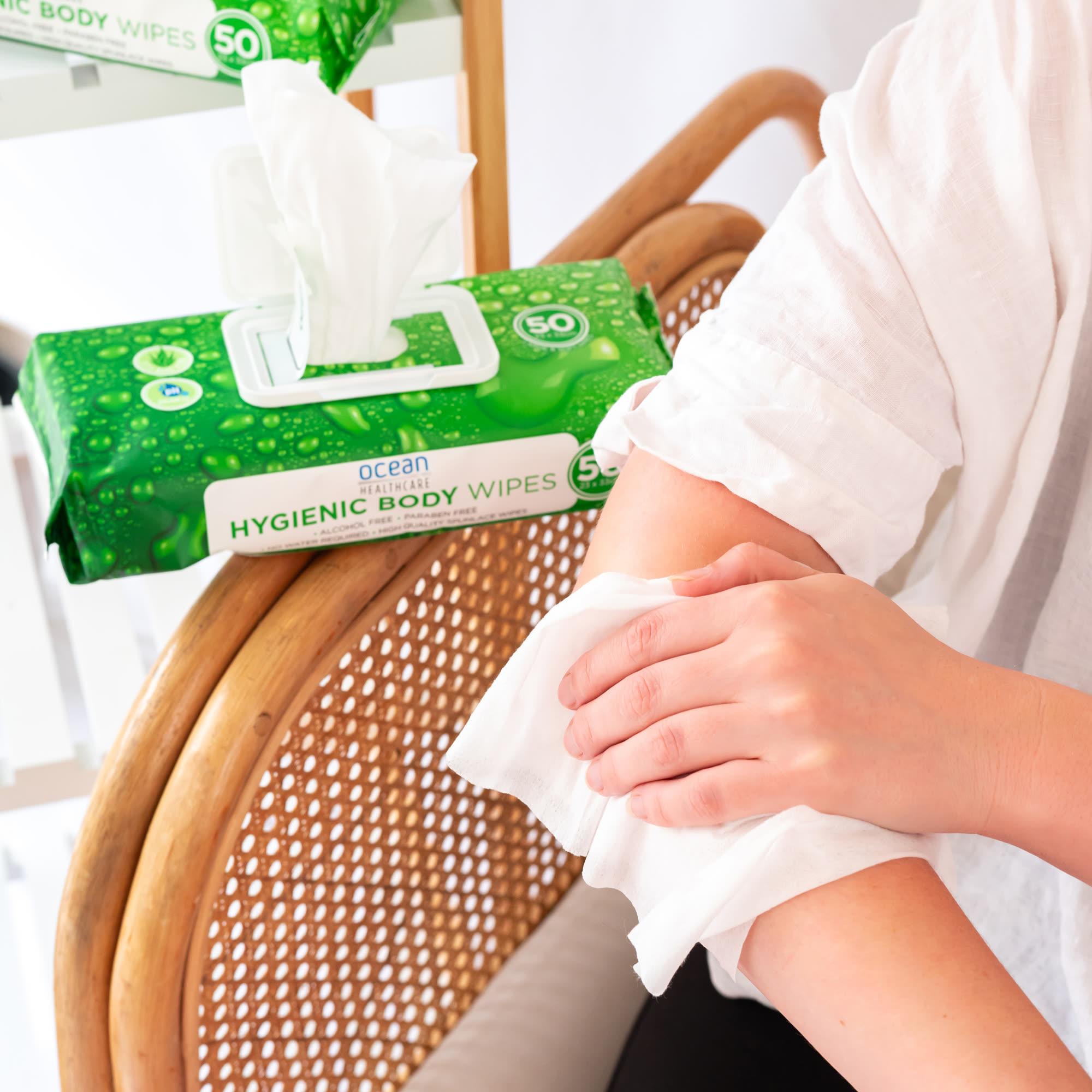
Hygiene isn't just about cleanliness — it's one of the most intimate forms of care we offer another person. The way it's done shapes how someone feels about themselves long after the moment is over.
In aged care and assisted living, the small choices around personal hygiene add up to something much bigger: dignity. The pace, the pause before, the words used, the products chosen — all of it matters. This piece is for carers, family members and anyone supporting someone through their daily routine.
Dignity starts before the wipe is opened
The single biggest improvement most carers report comes not from a new product, but from a small change in approach: explain what you're about to do, ask before you start, and go at the pace of the person being cared for, not the schedule. It's a small thing that changes everything.
Choosing products that respect skin and senses
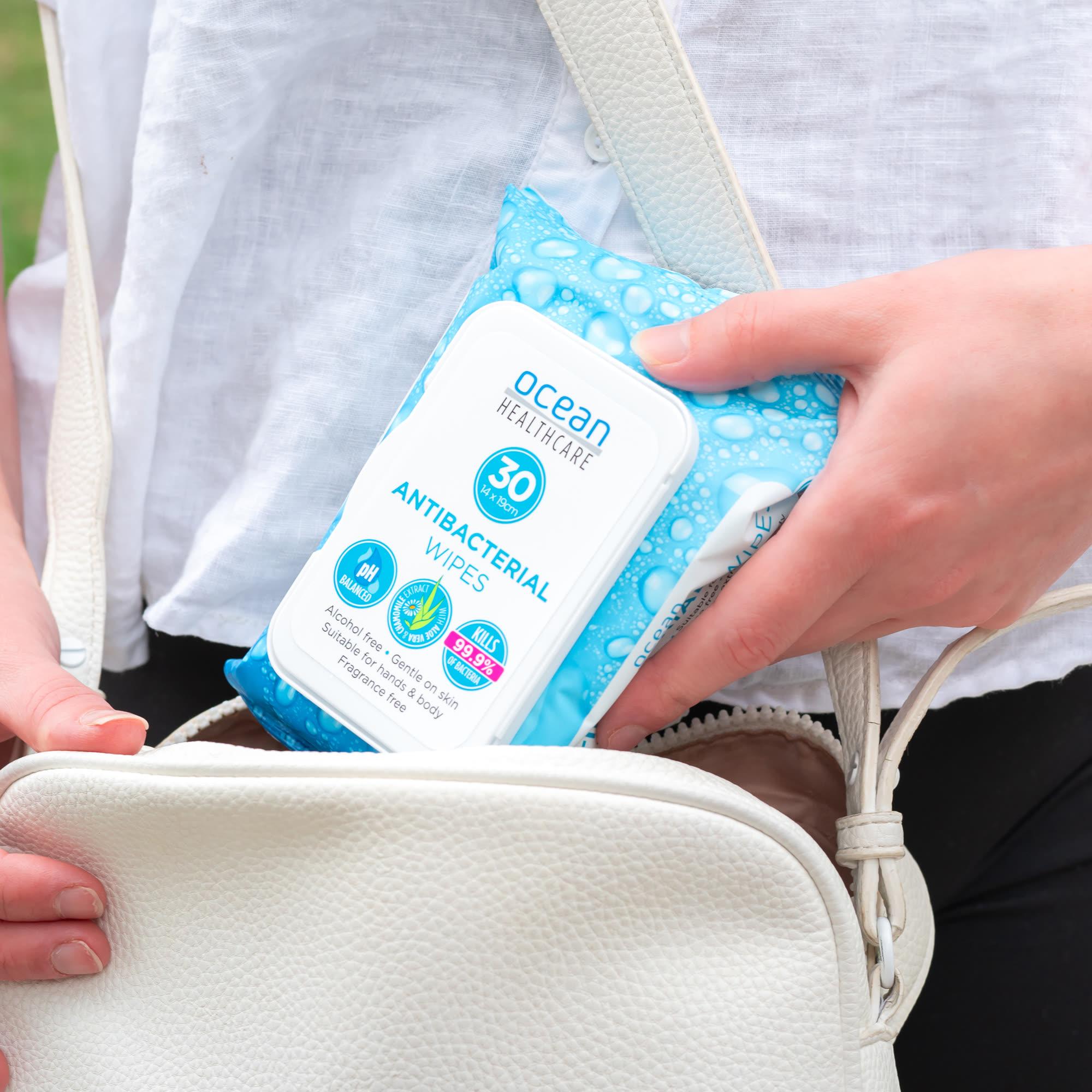
Older skin is thinner, more reactive, and slower to recover from irritation. Fragrance-heavy products can also be overwhelming for someone with diminished mobility — they can't leave the room. Look for fragrance-free, alcohol-free, pH-balanced formulations as your default.
The body remembers being treated gently, even when the mind doesn't.
— James Okafor
Privacy is part of hygiene
Cover what isn't being washed. Close doors. Lower voices. These aren't niceties — they're part of competent care. Bed bath wipes that come in a multi-cloth pack let you clean one region at a time without exposing the whole body, which makes a real difference.

Talking through the routine
Narrating gently — “I'm going to start with your arm, is that okay?” — keeps the person being cared for in control of their own body. For people with cognitive decline, the familiar rhythm of words and routine is calming long before the meaning of the words registers.